 Image 1 of 4
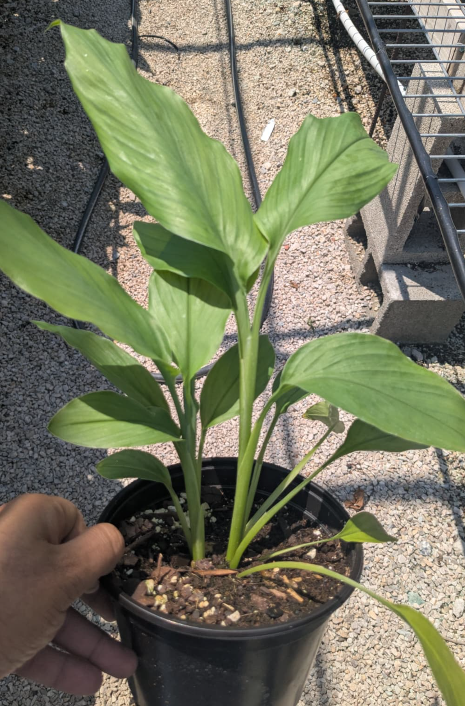 Image 2 of 4
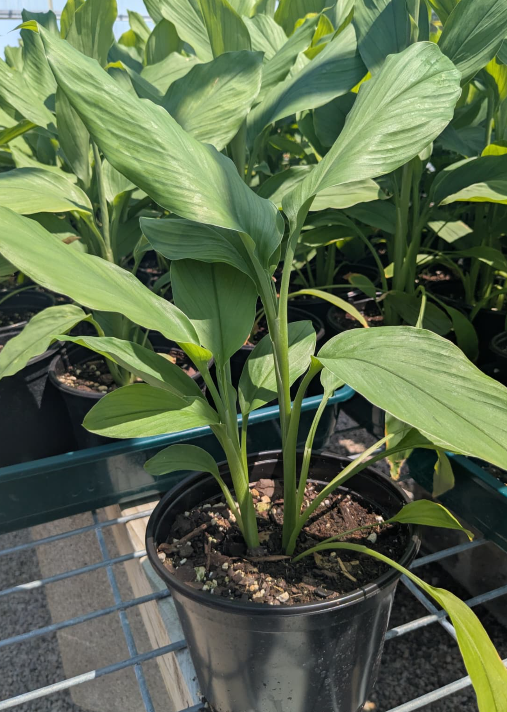 Image 3 of 4
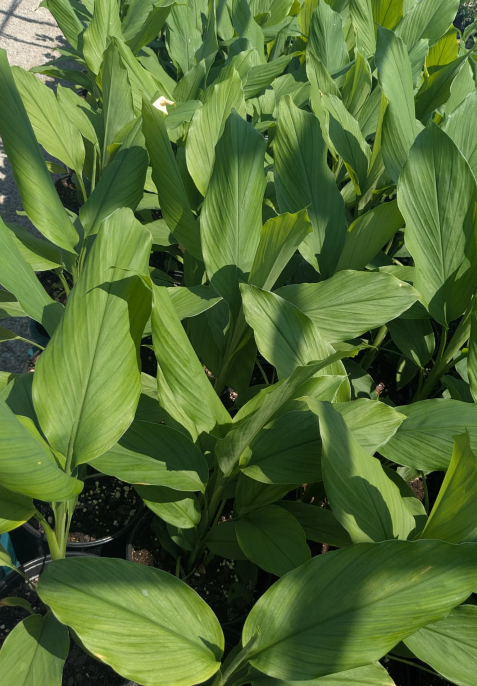 Image 4 of 4
6-inch container, 1 Plant
Curcuma longa, commonly known as turmeric, is a perennial herbaceous flowering plant in the ginger family (Zingiberaceae). Native to the Indian subcontinent and Southeast Asia, it is widely cultivated for its underground stems (rhizomes), which produce the vibrant golden-yellow spice used globally in cooking, medicine, and textiles.
Plant Structure: Grows up to 1 meter (3.3 feet) tall with large, lance-shaped green leaves and pale yellow or white flowers blooming from spikes.
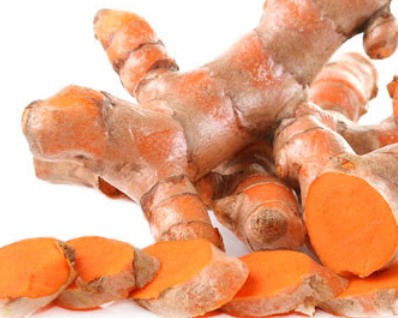
Rhizome: The valuable part of the plant is an underground modified stem featuring a rough, brownish skin and a dense, brilliant orange interior.
Growing Requirements: Thrives in warm, humid tropical climates with temperatures between 20°C and 30°C (68°F–86°F), requiring well-draining soil and heavy annual rainfall or irrigation.
The primary bioactive constituent responsible for turmeric’s signature yellow color and most of its biological activity is curcumin (a curcuminoid polyphenol).
Anti-inflammatory, antioxidant, antimicrobial, and neuroprotective properties. Raw curcumin is poorly absorbed by the human digestive tract because it metabolizes quickly and excretes rapidly. Consuming curcumin alongside piperine (the active compound in black pepper) increases its systemic bioavailability by up to 2,000%. It is also lipophilic, meaning absorption improves when paired with healthy fats.
Culinary Uses:
A foundational ingredient in South Asian, Southeast Asian, and Middle Eastern cuisines.
Essential in curry powders, giving dishes a warm, earthy, slightly bitter flavor and distinct yellow hue.
Traditional & Modern Medicine:
Central to Ayurveda and Traditional Chinese Medicine (TCM) for centuries to treat digestive ailments, joint stiffness, skin conditions, and inflammation.
Widely studied in contemporary research for managing osteoarthritis, metabolic syndrome, and systemic inflammatory pathways.
Natural Dye & Cosmetics:
Used as a natural pigment for textiles, food coloring (E100), and skincare formulas aimed at brightening skin tone and soothing irritation
6-inch container, 1 Plant
Curcuma longa, commonly known as turmeric, is a perennial herbaceous flowering plant in the ginger family (Zingiberaceae). Native to the Indian subcontinent and Southeast Asia, it is widely cultivated for its underground stems (rhizomes), which produce the vibrant golden-yellow spice used globally in cooking, medicine, and textiles.
Plant Structure: Grows up to 1 meter (3.3 feet) tall with large, lance-shaped green leaves and pale yellow or white flowers blooming from spikes.
Rhizome: The valuable part of the plant is an underground modified stem featuring a rough, brownish skin and a dense, brilliant orange interior.
Growing Requirements: Thrives in warm, humid tropical climates with temperatures between 20°C and 30°C (68°F–86°F), requiring well-draining soil and heavy annual rainfall or irrigation.
The primary bioactive constituent responsible for turmeric’s signature yellow color and most of its biological activity is curcumin (a curcuminoid polyphenol).
Anti-inflammatory, antioxidant, antimicrobial, and neuroprotective properties. Raw curcumin is poorly absorbed by the human digestive tract because it metabolizes quickly and excretes rapidly. Consuming curcumin alongside piperine (the active compound in black pepper) increases its systemic bioavailability by up to 2,000%. It is also lipophilic, meaning absorption improves when paired with healthy fats.
Culinary Uses:
A foundational ingredient in South Asian, Southeast Asian, and Middle Eastern cuisines.
Essential in curry powders, giving dishes a warm, earthy, slightly bitter flavor and distinct yellow hue.
Traditional & Modern Medicine:
Central to Ayurveda and Traditional Chinese Medicine (TCM) for centuries to treat digestive ailments, joint stiffness, skin conditions, and inflammation.
Widely studied in contemporary research for managing osteoarthritis, metabolic syndrome, and systemic inflammatory pathways.
Natural Dye & Cosmetics:
Used as a natural pigment for textiles, food coloring (E100), and skincare formulas aimed at brightening skin tone and soothing irritation