

 Image 1 of 3
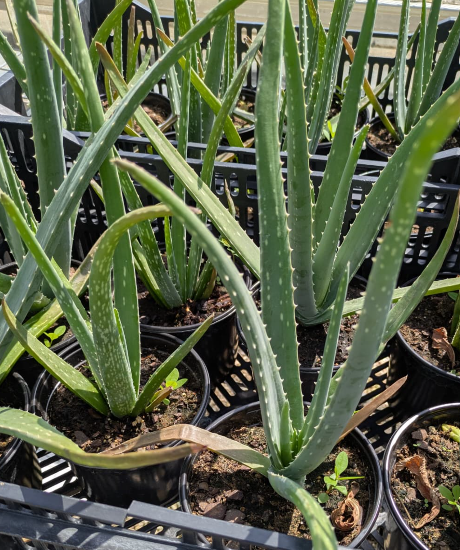 Image 2 of 3
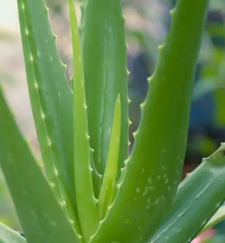 Image 3 of 3
Plant is in 6-inch container, ready for up-potting.
Aloe vera (Aloe vera, also known as Aloe barbadensis Miller) is a stemless succulent famous worldwide for its benefits.
🌿 What Aloe Vera Is
Aloe vera is a perennial succulent with:
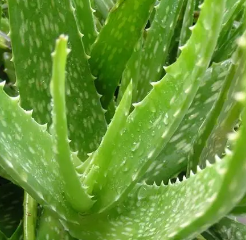
Thick, fleshy leaves arranged in a rosette. A clear inner gel (rich in acemannan) used for burns and skin care. A yellow latex layer (contains aloin, a strong laxative). Small white teeth along the leaf edges
It originates from the Arabian Peninsula but is now naturalized worldwide in tropical and semi‑tropical climates.
🌞 Light & Temperature
Aloe vera thrives in bright, direct light or the brightest indirect light available.
Ideal temperature: 13–27°C (55–80°F)
Damage occurs below 4°C (40°F)
In Texas, it grows beautifully outdoors spring–fall but must be protected from frost.
💧 Watering
Aloe is drought‑adapted and stores water in its leaves.
Water deeply every 2–3 weeks in summer
Water monthly in winter
Let soil dry completely between waterings
Overwatering is the #1 cause of root rot.
🌱 Soil
Aloe needs fast‑draining, gritty soil (cactus/succulent mix).
Prefers slightly acidic soil around pH 6.0
🌼 Flowers
Outdoors in warm climates, mature aloe produces:
Tall flower spikes (60–90 cm)
Yellow tubular flowers
Indoor plants rarely bloom.
🧪 Uses & Benefits
Aloe vera gel is widely used for:
Sunburn relief
Minor burns & skin abrasions
Moisturizing skin
🌱 Propagation
Aloe reproduces mainly through offsets (“pups”) that grow around the base.
Plant is in 6-inch container, ready for up-potting.
Aloe vera (Aloe vera, also known as Aloe barbadensis Miller) is a stemless succulent famous worldwide for its benefits.
🌿 What Aloe Vera Is
Aloe vera is a perennial succulent with:
Thick, fleshy leaves arranged in a rosette. A clear inner gel (rich in acemannan) used for burns and skin care. A yellow latex layer (contains aloin, a strong laxative). Small white teeth along the leaf edges
It originates from the Arabian Peninsula but is now naturalized worldwide in tropical and semi‑tropical climates.
🌞 Light & Temperature
Aloe vera thrives in bright, direct light or the brightest indirect light available.
Ideal temperature: 13–27°C (55–80°F)
Damage occurs below 4°C (40°F)
In Texas, it grows beautifully outdoors spring–fall but must be protected from frost.
💧 Watering
Aloe is drought‑adapted and stores water in its leaves.
Water deeply every 2–3 weeks in summer
Water monthly in winter
Let soil dry completely between waterings
Overwatering is the #1 cause of root rot.
🌱 Soil
Aloe needs fast‑draining, gritty soil (cactus/succulent mix).
Prefers slightly acidic soil around pH 6.0
🌼 Flowers
Outdoors in warm climates, mature aloe produces:
Tall flower spikes (60–90 cm)
Yellow tubular flowers
Indoor plants rarely bloom.
🧪 Uses & Benefits
Aloe vera gel is widely used for:
Sunburn relief
Minor burns & skin abrasions
Moisturizing skin
🌱 Propagation
Aloe reproduces mainly through offsets (“pups”) that grow around the base.