 Image 1 of 2
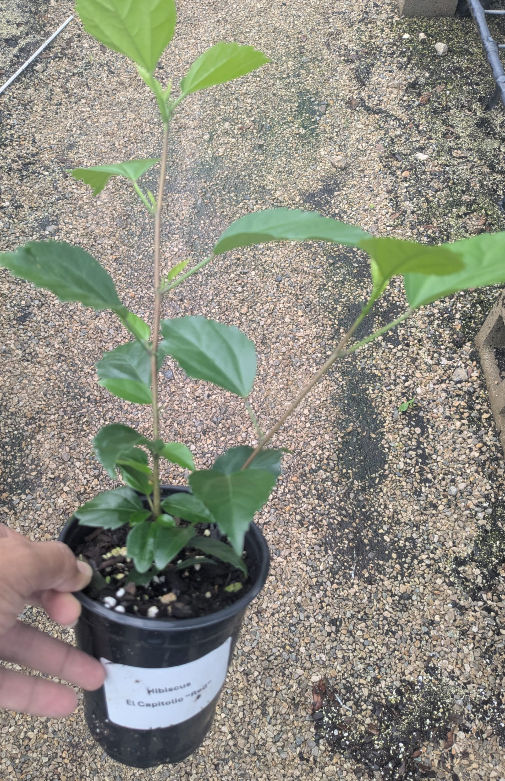 Image 2 of 2
Quart Pot. Price includes shipping bundle. Well rooted healthy plant ready for transplant. A rare and most sought-after plant.
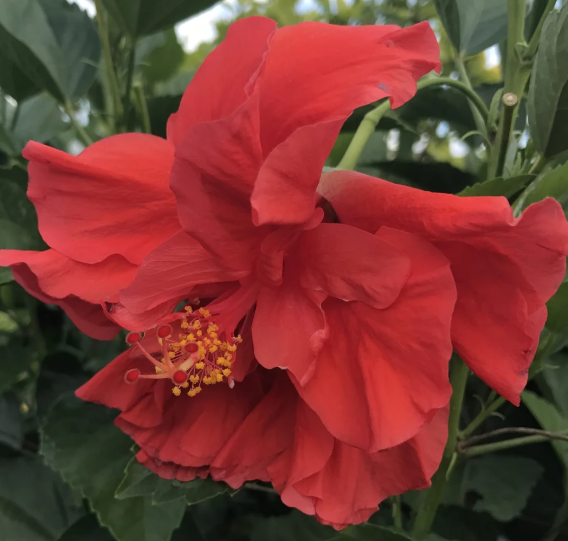
Double red hibiscus is a tropical hibiscus cultivar (Hibiscus rosa‑sinensis ‘Double Red’) known for its dramatic, multi‑layered crimson blooms and glossy evergreen foliage. It’s one of the most striking hibiscus varieties you can grow, especially in warm climates like Texas.
Double blooms: More than five petals, forming a ruffled, full, rose‑like flower. Blooms are typically 4–8 inches wide.
Color: Deep red shades ranging from scarlet to burgundy.
Growth habit: Upright, bushy, multi‑stemmed shrub, usually 6–10 ft tall and 4–6 ft wide in warm climates.
Foliage: Glossy, dark green evergreen leaves (evergreen in frost‑free zones).
Bloom season: Spring through fall; nearly year‑round in tropical climates.
Wildlife: Attracts butterflies and hummingbirds.
Full sun (6–8 hours) is essential for heavy blooming.
Ideal temperatures: 60–90°F.
In Texas heat, it tolerates sun well but may appreciate afternoon shade to prevent petal wilt. (Inference based on heat‑stress notes in tropical zones.)
Prefers well‑draining, fertile, loamy soil with slightly acidic pH (6.0–7.0).
Keep soil consistently moist but not waterlogged. Water deeply 2–3× weekly during summer.
Avoid letting it dry to the wilting point.
Heavy bloomers need regular feeding.
Use a balanced fertilizer or one higher in potassium every 2–4 weeks during the growing season.
Switch to phosphorus‑rich fertilizer when buds form.
Major pruning: Late winter or early spring.
Pinch tips to encourage bushiness.
Deadhead spent blooms to encourage continuous flowering.
Tropical hibiscus is not frost‑tolerant.
Hardy only in USDA zones 9–11.
Bud drop: Often caused by low light, overwatering, or lack of potassium.
Pests: Aphids, whiteflies, spider mites.
Root rot: From poor drainage or overwatering.
Tropical accent plant
Hedge or screen
Large containers
Entryway or patio showpiece
Pollinator gardens
Quart Pot. Price includes shipping bundle. Well rooted healthy plant ready for transplant. A rare and most sought-after plant.
Double red hibiscus is a tropical hibiscus cultivar (Hibiscus rosa‑sinensis ‘Double Red’) known for its dramatic, multi‑layered crimson blooms and glossy evergreen foliage. It’s one of the most striking hibiscus varieties you can grow, especially in warm climates like Texas.
Double blooms: More than five petals, forming a ruffled, full, rose‑like flower. Blooms are typically 4–8 inches wide.
Color: Deep red shades ranging from scarlet to burgundy.
Growth habit: Upright, bushy, multi‑stemmed shrub, usually 6–10 ft tall and 4–6 ft wide in warm climates.
Foliage: Glossy, dark green evergreen leaves (evergreen in frost‑free zones).
Bloom season: Spring through fall; nearly year‑round in tropical climates.
Wildlife: Attracts butterflies and hummingbirds.
Full sun (6–8 hours) is essential for heavy blooming.
Ideal temperatures: 60–90°F.
In Texas heat, it tolerates sun well but may appreciate afternoon shade to prevent petal wilt. (Inference based on heat‑stress notes in tropical zones.)
Prefers well‑draining, fertile, loamy soil with slightly acidic pH (6.0–7.0).
Keep soil consistently moist but not waterlogged. Water deeply 2–3× weekly during summer.
Avoid letting it dry to the wilting point.
Heavy bloomers need regular feeding.
Use a balanced fertilizer or one higher in potassium every 2–4 weeks during the growing season.
Switch to phosphorus‑rich fertilizer when buds form.
Major pruning: Late winter or early spring.
Pinch tips to encourage bushiness.
Deadhead spent blooms to encourage continuous flowering.
Tropical hibiscus is not frost‑tolerant.
Hardy only in USDA zones 9–11.
Bud drop: Often caused by low light, overwatering, or lack of potassium.
Pests: Aphids, whiteflies, spider mites.
Root rot: From poor drainage or overwatering.
Tropical accent plant
Hedge or screen
Large containers
Entryway or patio showpiece
Pollinator gardens