 Image 1 of 3
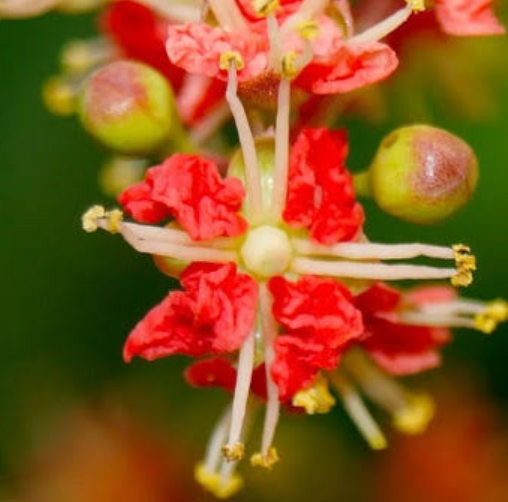 Image 2 of 3
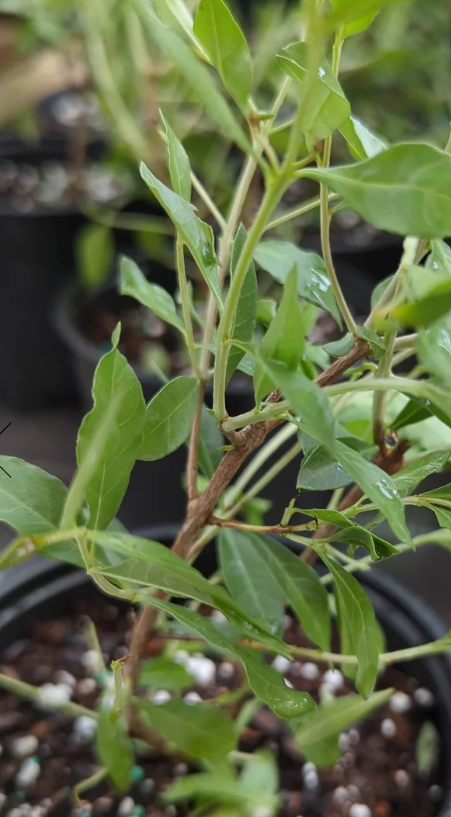 Image 3 of 3
Henna Plant - 4inch Container - Red Flower variety (Free Shipping)
The true red-flowering henna plant (Lawsonia inermis), often called "Red Mendi" or "Egyptian Privet," is an absolute marvel of a tropical plant. While standard white henna is more common, the red-flowered variety is highly prized by collectors, horticulturists, and perfume enthusiasts alike.
If you are thinking about growing it or want to understand what makes it special, here is a complete breakdown of its botanical traits, intoxicating fragrance, and exact care needs.
Botanical Profile “Red Flower” Henna
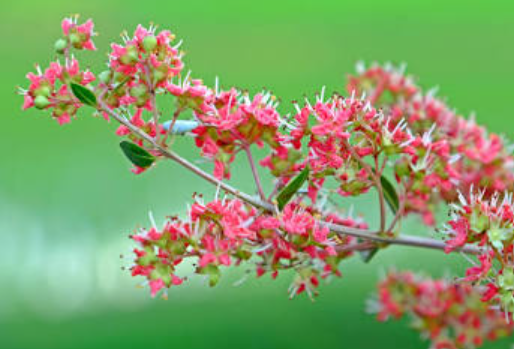
Also known as the authentic henna, when you look closely at the blossoms, you can see they are made of tiny, beautifully crinkled red petals surrounding long, spray-like cream stamens. These flowers clump together in large, feather-like panicles at the tips of the branches.
Growth Habit: It naturally grows as a dense, woody, multi-stemmed tropical shrub. Left unpruned in the ground, it can reach 8 to 15 feet tall. However, it takes incredibly well to container growing and can easily be kept as a manageable 3-to-4-foot potted patio plant.
The Dye Reality: It is worth repeating that the red color is purely in the petals! The famous red-orange dye used for body art and hair comes entirely from the dark green, lance-shaped leaves. The leaves contain lawsone (hennotannic acid), a natural dye molecule that binds strongly with the protein (keratin) in our skin and hair.
The Fragrance: Nature's Luxury Perfume
While many grow it for the foliage, the real reward of the red-flowering henna is its scent. The blossoms emit an incredibly powerful, seductive aroma that fills the surrounding air, especially in the warmth of the evening.
The Scent Profile: It is a heavy, exotic, sweet floral scent that sits right at the intersection of jasmine, tea rose, and classic musk.
Traditional Perfumery: In India and the Middle East, these red flower clusters are steam-distilled into a precious traditional oil called Gulhina Attar, which has been used as a luxury fragrance for centuries.
Master Cultivation Guide
Because Lawsonia inermis is native to hot, arid desert-fringe zones across North Africa, the Middle East, and Southwest Asia, it has very specific environmental preferences. It thrives on "tough love."
1. Light & Temperature (The Essentials)
Sunlight: Give it the absolute sunniest spot you have. It requires full, blazing, direct sun (6 to 8+ hours a day). Shady conditions will cause leggy growth, weak stems, and zero flowers.
Heat: Henna loves heat. It grows most vigorously when temperatures are between 90°F and 110°F.
Cold Warning: It is extremely cold-sensitive. It cannot handle temperatures below 50°F without dropping leaves, and any touch of frost (32°F or lower) will kill the root system. If you live in a region with cold winters, you must grow it in a pot and bring it indoors under strong grow lights or into a heated greenhouse before the first autumn chill.
2. Soil & Water (Think Desert)
Soil Type: Drainage is critical. Use a highly porous, gritty soil mix. A high-quality cactus/succulent potting mix blended with extra perlite or coarse sand works perfectly.
Watering Style: Use the "soak and dry" method. Water the plant thoroughly until water runs out the bottom drainage holes, then let the soil dry out almost completely before watering again. Constant dampness or standing water will cause root rot within days.
3. Pruning & Maintenance
To maximize leaf production and flower clusters, prune the tips of the branches regularly in early spring. This "pinching" encourages a bushier habit with multiple flowering heads rather than a single, lanky stalk.
To get the strongest, richest red-orange stain from your henna plant (Lawsonia inermis), you have to trick the plant into producing more lawsone (the dye molecule). In nature, lawsone acts as a natural defense mechanism for the plant against intense heat and drought.
Because of this, the way you treat the plant right before harvest, combined with how you dry the leaves, makes all the difference between a dark burgundy stain and a faint orange smudge.
1. The Pre-Harvest Trick (Stress the Plant)
Before you pluck a single leaf, you want to trigger the plant's natural defense mode.
The Timing: Harvest during the hottest, sunniest months of summer. Lawsone content peaks when temperatures consistently soar above 95°F.
The Drought Stress: About 1 to 2 weeks before you plan to harvest, drastically cut back on watering. Let the soil dry out until the plant is just on the verge of slight wilting. This environmental stress forces the leaves to rapidly concentrate their lawsone levels.
2. Harvesting the Leaves
When you are ready to harvest, focus on maturity and plant health:
Target Mature Leaves: Look for the older, fully expanded, deep green leaves located along the middle and lower parts of the branches. The brand-new, tender lime-green tips have significantly less dye content.
How to Prune: Strip the leaves directly off the stems, or prune back entire branches by a few inches (which actually encourages a bushier habit for your next harvest). Discard the woody stems, flowers, and seed pods, as they contain no dye.
3. The Drying Process: Shade is Key
The absolute biggest mistake people make is drying henna leaves in the direct sun. Direct sunlight and UV rays break down and destroy the lawsone molecule.
1.Wash and Spin:Immediate.
Rinse the freshly picked leaves thoroughly in cold water to remove any garden dust, soil, or pests. Run them through a salad spinner or gently pat them completely dry with a clean towel. Residual surface moisture will cause mold during the drying phase.
2.Spread in a Dark, Warm Area:3 to 7 Days.
Spread the leaves out in a single, thin layer on a clean sheet, cardboard tray, or mesh drying rack. Place them in a warm, dry, well-ventilated room completely away from direct sunlight (a dark spare room, a closet, or a shaded porch works perfectly).
3.Test for Crispness:Verification.
Let them air-dry until they are completely brittle. You know they are ready when you press a leaf between your fingers and it instantly cracks and crumbles into a crisp powder. If it bends or feels leathery, it needs more time.
4. Long-Term Storage
Once your leaves are bone-dry, you must protect them from their three ultimate enemies: light, air, and moisture.
Whole Leaf Storage: If you aren't ready to grind them into powder yet, store the whole, crisp leaves in an airtight glass jar or vacuum-sealed bag. Place the container in a dark pantry or cupboard. Whole leaves stored this way will easily retain their dye potency for up to a year.
Powder Storage (The Professional Way): Grind the crisp leaves into a fine powder using a heavy-duty spice grinder or blender, and pass it through a fine mesh sieve. Pack the powder into an opaque, airtight bag, squeeze out all the excess oxygen, and store it in the freezer. Freezing locks the lawsone molecule in a state of suspended animation, keeping your henna powder fresh and highly staining for multiple years.
The true red-flowering henna plant (Lawsonia inermis), often called "Red Mendi" or "Egyptian Privet," is an absolute marvel of a tropical plant. While standard white henna is more common, the red-flowered variety is highly prized by collectors, horticulturists, and perfume enthusiasts alike.
If you are thinking about growing it or want to understand what makes it special, here is a complete breakdown of its botanical traits, intoxicating fragrance, and exact care needs.
Botanical Profile “Red Flower” Henna
Also known as the authentic henna, when you look closely at the blossoms, you can see they are made of tiny, beautifully crinkled red petals surrounding long, spray-like cream stamens. These flowers clump together in large, feather-like panicles at the tips of the branches.
Growth Habit: It naturally grows as a dense, woody, multi-stemmed tropical shrub. Left unpruned in the ground, it can reach 8 to 15 feet tall. However, it takes incredibly well to container growing and can easily be kept as a manageable 3-to-4-foot potted patio plant.
The Dye Reality: It is worth repeating that the red color is purely in the petals! The famous red-orange dye used for body art and hair comes entirely from the dark green, lance-shaped leaves. The leaves contain lawsone (hennotannic acid), a natural dye molecule that binds strongly with the protein (keratin) in our skin and hair.
The Fragrance: Nature's Luxury Perfume
While many grow it for the foliage, the real reward of the red-flowering henna is its scent. The blossoms emit an incredibly powerful, seductive aroma that fills the surrounding air, especially in the warmth of the evening.
The Scent Profile: It is a heavy, exotic, sweet floral scent that sits right at the intersection of jasmine, tea rose, and classic musk.
Traditional Perfumery: In India and the Middle East, these red flower clusters are steam-distilled into a precious traditional oil called Gulhina Attar, which has been used as a luxury fragrance for centuries.
Master Cultivation Guide
Because Lawsonia inermis is native to hot, arid desert-fringe zones across North Africa, the Middle East, and Southwest Asia, it has very specific environmental preferences. It thrives on "tough love."
1. Light & Temperature (The Essentials)
Sunlight: Give it the absolute sunniest spot you have. It requires full, blazing, direct sun (6 to 8+ hours a day). Shady conditions will cause leggy growth, weak stems, and zero flowers.
Heat: Henna loves heat. It grows most vigorously when temperatures are between 90°F and 110°F.
Cold Warning: It is extremely cold-sensitive. It cannot handle temperatures below 50°F without dropping leaves, and any touch of frost (32°F or lower) will kill the root system. If you live in a region with cold winters, you must grow it in a pot and bring it indoors under strong grow lights or into a heated greenhouse before the first autumn chill.
2. Soil & Water (Think Desert)
Soil Type: Drainage is critical. Use a highly porous, gritty soil mix. A high-quality cactus/succulent potting mix blended with extra perlite or coarse sand works perfectly.
Watering Style: Use the "soak and dry" method. Water the plant thoroughly until water runs out the bottom drainage holes, then let the soil dry out almost completely before watering again. Constant dampness or standing water will cause root rot within days.
3. Pruning & Maintenance
To maximize leaf production and flower clusters, prune the tips of the branches regularly in early spring. This "pinching" encourages a bushier habit with multiple flowering heads rather than a single, lanky stalk.
To get the strongest, richest red-orange stain from your henna plant (Lawsonia inermis), you have to trick the plant into producing more lawsone (the dye molecule). In nature, lawsone acts as a natural defense mechanism for the plant against intense heat and drought.
Because of this, the way you treat the plant right before harvest, combined with how you dry the leaves, makes all the difference between a dark burgundy stain and a faint orange smudge.
1. The Pre-Harvest Trick (Stress the Plant)
Before you pluck a single leaf, you want to trigger the plant's natural defense mode.
The Timing: Harvest during the hottest, sunniest months of summer. Lawsone content peaks when temperatures consistently soar above 95°F.
The Drought Stress: About 1 to 2 weeks before you plan to harvest, drastically cut back on watering. Let the soil dry out until the plant is just on the verge of slight wilting. This environmental stress forces the leaves to rapidly concentrate their lawsone levels.
2. Harvesting the Leaves
When you are ready to harvest, focus on maturity and plant health:
Target Mature Leaves: Look for the older, fully expanded, deep green leaves located along the middle and lower parts of the branches. The brand-new, tender lime-green tips have significantly less dye content.
How to Prune: Strip the leaves directly off the stems, or prune back entire branches by a few inches (which actually encourages a bushier habit for your next harvest). Discard the woody stems, flowers, and seed pods, as they contain no dye.
3. The Drying Process: Shade is Key
The absolute biggest mistake people make is drying henna leaves in the direct sun. Direct sunlight and UV rays break down and destroy the lawsone molecule.
1.Wash and Spin:Immediate.
Rinse the freshly picked leaves thoroughly in cold water to remove any garden dust, soil, or pests. Run them through a salad spinner or gently pat them completely dry with a clean towel. Residual surface moisture will cause mold during the drying phase.
2.Spread in a Dark, Warm Area:3 to 7 Days.
Spread the leaves out in a single, thin layer on a clean sheet, cardboard tray, or mesh drying rack. Place them in a warm, dry, well-ventilated room completely away from direct sunlight (a dark spare room, a closet, or a shaded porch works perfectly).
3.Test for Crispness:Verification.
Let them air-dry until they are completely brittle. You know they are ready when you press a leaf between your fingers and it instantly cracks and crumbles into a crisp powder. If it bends or feels leathery, it needs more time.
4. Long-Term Storage
Once your leaves are bone-dry, you must protect them from their three ultimate enemies: light, air, and moisture.
Whole Leaf Storage: If you aren't ready to grind them into powder yet, store the whole, crisp leaves in an airtight glass jar or vacuum-sealed bag. Place the container in a dark pantry or cupboard. Whole leaves stored this way will easily retain their dye potency for up to a year.
Powder Storage (The Professional Way): Grind the crisp leaves into a fine powder using a heavy-duty spice grinder or blender, and pass it through a fine mesh sieve. Pack the powder into an opaque, airtight bag, squeeze out all the excess oxygen, and store it in the freezer. Freezing locks the lawsone molecule in a state of suspended animation, keeping your henna powder fresh and highly staining for multiple years.